
Wear components
Diamond parts for tools, dies and seals, where hardness, low friction and chemical inertness decide how long a part lasts and how stable the process stays.
- Hardness
- 70–100 GPa
- Friction coefficient
- 0.05–0.1
- Thermal conductivity
- Up to 2,000 W/m·K
- Chemical resistance
- Inert to acids and alkalis
Formats
What we make.
- 01
Dies and guides
Blanks and finished wire-drawing dies and guides, with bores made to drawing.
- 02
Dressers and edges
CVD and HPHT logs, blades and inserts for dressing, cutting and scribing.
- 03
Nozzles and seals
Bearing, seal and nozzle surfaces for abrasive, corrosive and high-pressure media.
Production
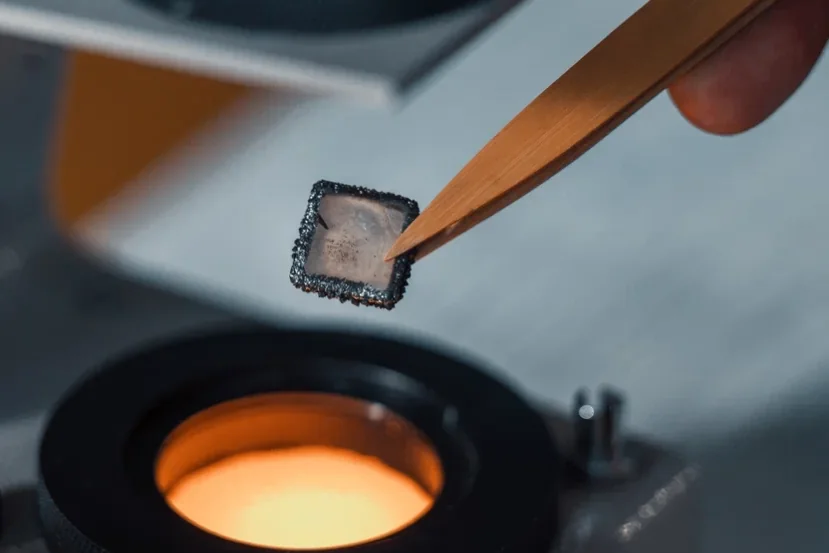
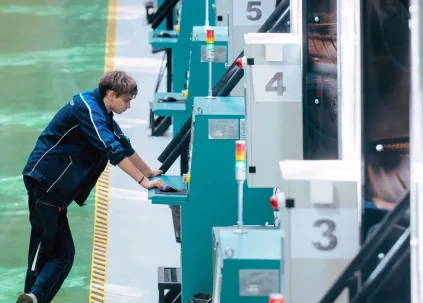
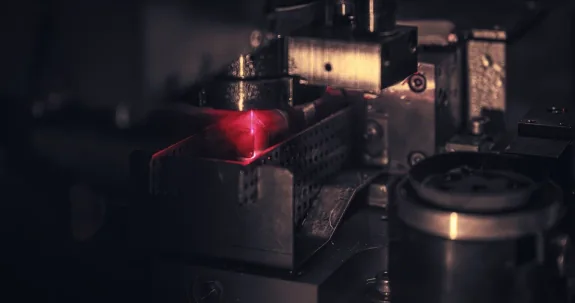
Made on our own floor.
Specifications
Typical values.
Standard ranges. Tighter tolerances and other configurations are quoted per project; the final specification is confirmed in the quotation.
- Material
- CVD polycrystalline, HPHT single crystal
- Shapes
- Blanks, logs, discs, profiles
- Thickness
- 0.1–2.0 mm±0.05 mm
- Outline
- Laser-cut to drawing+0.1 / −0 mm
- Edges and faces
- As-cut, lapped or polished
- Crystal orientation
- {100} or {110}HPHT, on request
Grades
Recommended grades.
| Grade | Material | Key value | Typical use |
|---|---|---|---|
| Mechanical | CVD / HPHT | 70–100 GPa hardness | Wear parts and tooling |
| Single crystal | HPHT | Up to 2,200 W/m·K | Single-emitter submounts, precision parts |
Applications
Where wear components are used.
Have a drawing or a heat problem?
Send your drawing or operating requirements. We’ll review manufacturability, recommend the diamond grade and reply with specifications, lead time and pricing.